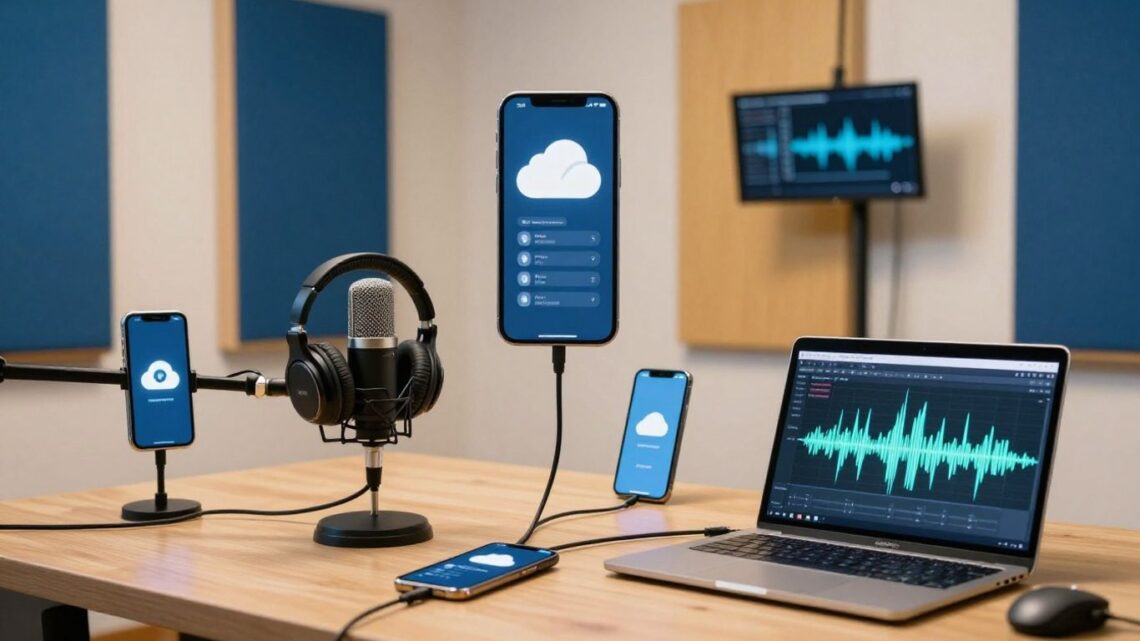
Podcast hosting compared: How to choose the right platform for your show
What podcast hosting does and why it matters
When we compare podcast hosting options, we are really comparing the systems that store, organise, measure and deliver a show. A host gives each episode a home and creates the RSS feed that listening services use to find new releases. The right choice should make publishing dependable without forcing us to pay for tools we will not use.
How podcast hosting delivers your audio through an RSS feed
We upload an audio file, add details such as the title and description, and publish the episode through the hosting service. The host then updates the show’s RSS feed, which contains the information listening platforms need to display and retrieve the episode. Listeners generally do not visit the hosting account itself; they use a podcast app that reads the feed.
That separation matters because the RSS feed is the connection between our publishing workflow and the audience. If we change hosts later, the feed and its redirect settings need careful handling so established subscribers can continue receiving episodes.
The difference between a podcast host and listening apps
A podcast host stores and serves the media, while a listening app gives the audience a place to search for, follow and play the show. Apple Podcasts and Spotify are examples of listening destinations rather than substitutes for the underlying hosting arrangement. Some services combine hosting with distribution tools, but the jobs remain distinct.
We should therefore ask two separate questions: where will the files live, and where will people listen? Keeping those questions apart makes comparisons clearer, especially when a platform promotes distribution features alongside hosting.
Why hosting affects growth, reliability, and monetization
Hosting influences how easily we can publish consistently, understand audience activity and add revenue features. It can also affect the practical cost of a growing show through storage, bandwidth, downloads or plan limits. Reliable publishing matters more than a long feature list when missed episodes would disrupt our production rhythm.
Growth is not created by a host alone. Good topics, clear audio, useful promotion and a repeatable release schedule still do the heavy lifting. A hosting platform is best viewed as the infrastructure that supports those efforts and makes their results easier to observe.
Choose the platform that removes the most friction from the work we will actually repeat.
That principle keeps the comparison grounded. A small interview show may value simplicity, while a larger production may need access controls, detailed reporting or several programmes under one account.
When a free hosting plan may be enough
A free plan can suit a new show while we test the format, publishing routine and audience response. It may also be reasonable for an occasional series with modest storage and straightforward distribution needs. Before choosing one, we should read the limits rather than treating “free” as a complete description of the service.
We need to check whether the plan restricts episode duration, storage, downloads, analytics or access to a website and player. If the show grows, moving to a paid tier may be sensible, but we should understand the upgrade path before building the workflow around it.
Which podcast hosting features deserve the most attention
Feature comparisons are useful only when they connect to the way we make a show. A long list can distract us from basic questions about capacity, publishing and audience information. We should separate essential infrastructure from conveniences that might be helpful later.
Storage, bandwidth, and episode limits
Storage describes how much media we can keep available, while bandwidth is connected to the amount of data delivered when people download or stream episodes. Some plans also limit the number of episodes, uploads or active shows. These details become more important when episodes are long, frequent or available in several formats.
A practical comparison starts with our expected publishing pattern. We can estimate how much audio we add each month, how long we want to keep old episodes online and whether audience growth could increase delivery demands. That gives us a more useful baseline than choosing a plan by its headline price.
Website builders, embedded players, and customization
A hosting service may offer a web page for the show, an embedded player or settings for colours, artwork and episode presentation. These tools can help us give new listeners a clear place to learn about the programme. They are less critical if we already maintain a separate website and only need the RSS feed.
We should look at how easily the player can be added to existing pages and whether the design suits the show. A simple page that loads reliably can be more valuable than extensive customisation that takes time to maintain.
Analytics, audience data, and attribution
Analytics can show how episodes are being downloaded or accessed, along with information such as geography, device type and listening service where available. Those figures are useful for planning, but they are not a perfect count of every person who heard an episode. Different platforms may measure activity in different ways.
We should also distinguish descriptive data from attribution. Knowing that an episode was downloaded is not the same as knowing which promotion caused a listener to subscribe or take another action. A sensible analytics review explains what the data can support before we draw conclusions from it.
Team access, private feeds, and workflow tools
A solo creator may only need one login, but a production team can benefit from roles, shared access and a clearer approval process. Private feeds can be useful for restricted audio, internal programmes or selected listeners, provided the service supports the intended arrangement. Workflow tools matter most when several people handle recording, editing, publishing or promotion.
Before paying for these features, we should map the actual hand-offs in our production. If one person performs every task, team permissions may add cost without solving a problem. If responsibilities are shared, they can reduce the need to pass passwords around.
Podcast hosting compared by pricing and plan structure
Price comparisons become confusing when plans measure different things. One service may focus on monthly downloads, another on storage or the number of shows, and another on features available at each tier. We should compare the structure first, then compare the dollar amount.
Free plans versus paid subscriptions
Free hosting can lower the risk of starting, while a paid subscription may provide more capacity, reporting or workflow support. Neither option is automatically better. We should consider the show’s current needs and the cost of changing later if a free plan becomes restrictive.
A paid plan is easier to justify when it solves a clear operational problem, such as insufficient storage or a need for more detailed audience information. We should avoid paying simply because a pricing page presents a higher tier as the default choice.
Monthly, annual, and episode-based pricing
Monthly billing offers flexibility, particularly while we are testing a concept or release schedule. Annual billing may reduce the effective monthly cost, but it commits us for longer. Episode-based or usage-based pricing can work for irregular publishing, although it requires closer attention to how each upload is counted.
When we compare plans, we can group the decision around three questions:
- How often will we publish?
- How much audio will we store?
- Which tools must be available from the beginning?
This simple exercise exposes mismatches between our workflow and the way a plan charges. It also gives us a clearer reason for choosing one billing arrangement over another.
Hidden costs for downloads, storage, and advanced features
The advertised subscription may not be the full cost of running a show. Extra storage, higher download allowances, additional programmes, premium analytics or team access may sit behind a more expensive tier. We should also check whether a plan includes a website, player, distribution assistance or monetisation tools, rather than assuming those features are standard.
Terms such as unlimited can still require context. We need to read the usage rules, fair-use wording and limits that apply to related features. A low price is useful only when the plan remains suitable as our catalogue and audience develop.
How to estimate your total hosting cost
We can estimate cost by listing the recurring subscription, likely upgrades and any tools we would otherwise buy separately. Then we can consider the value of time saved by an integrated workflow, without treating convenience as a guaranteed financial return.
A useful estimate includes:
- the number of shows and episodes we expect to manage;
- expected storage and delivery needs;
- analytics, website and player requirements;
- team, private-feed or monetisation features;
- the likely cost of moving if the plan no longer fits.
This approach gives us a comparison based on the whole publishing setup rather than the smallest entry price. We can revisit the estimate whenever the release schedule or production team changes.
How leading podcast hosting platforms differ
There is no single best host for every programme. A first-time creator, a network and a video-led production can need very different combinations of storage, access and distribution. We should compare platforms by the job they need to perform rather than by popularity alone.
Beginner-friendly platforms for launching a first show
For a first show, a manageable upload process and clear publishing controls may matter more than advanced monetisation. We want to understand where files go, how the feed is created and how an episode can be corrected before it is released. Helpful guidance can reduce early mistakes, but we still need to learn the basic workflow.
We can start by listing the few actions we will repeat each week: upload, edit details, publish, check the feed and review audience information. A platform that makes those actions clear may be a better fit than one with a larger catalogue of specialist tools.
Hosts built for podcast networks and multiple programs
A network or studio may need to manage several programmes without mixing their artwork, feeds, permissions or reporting. In that situation, the number of shows supported and the way access is organised deserve close attention. We should also check whether each programme can maintain its own publishing identity.
The more people and shows involved, the more valuable a defined workflow becomes. We should confirm who can publish, who can view reports and how ownership works before bringing an existing catalogue into a shared account.
Platforms focused on monetization and sponsorships
Monetisation features can include advertising tools, listener subscriptions, paid feeds or ways to connect with sponsors. Their availability and conditions vary, so we should treat each feature as a separate question rather than assuming that a host offering one revenue option offers all of them.
We also need to distinguish access to a tool from income produced through it. A platform can make a revenue feature available, but the result will depend on audience, content, eligibility and the terms of the arrangement. Those practical conditions belong in the comparison.
Services designed for video podcasts and cross-platform publishing
Video podcasting changes the storage, production and distribution requirements. We may need larger files, different publishing formats and a workflow that accounts for both audio listeners and viewers. A service designed around audio alone may not suit a production where video is central.
We should decide whether video is the primary format or an additional version of an audio show. That distinction affects our file management, editing process and distribution choices, and helps us avoid paying for video features that will remain unused.
How distribution and monetization work across platforms
Distribution begins with the show’s RSS feed, but each listening or viewing destination can have its own submission and presentation process. Monetisation adds another layer because tools, eligibility and payment arrangements differ. We should treat publishing and earning as related but separate parts of the operating plan.
Submitting your show to Apple Podcasts and Spotify
We usually submit the show’s RSS feed to listening services, then manage the show’s presentation and status through the relevant account. Apple Podcasts and Spotify can place a programme in front of listeners, but they do not replace the hosting service that stores and delivers the underlying media.
Before submission, we should check the feed for accurate artwork, titles, descriptions and episode details. Keeping those elements consistent makes troubleshooting easier when a listing takes time to update or an episode appears differently across services.
YouTube publishing and video podcast support
YouTube can be part of a distribution plan when a show has video or when we create a visual version of an audio episode. The production requirements are different from those of an audio RSS feed, so we should confirm whether the hosting service supports the format we intend to publish.
We also need to plan for the viewer’s experience. A video version may require captions, suitable artwork and a clear visual structure, while an audio-first version can prioritise sound and a still image. The best workflow is the one that matches our actual production capacity.
Dynamic ad insertion and listener subscriptions
Dynamic advertising can place different messages into episodes for different listeners or at different times, depending on the service and arrangement. Listener subscriptions can provide a paid experience for people who want additional or restricted content. These tools should be assessed by their eligibility rules, control settings and reporting.
We should be clear with ourselves about what we are offering and how it will be maintained. A paid feed or ad arrangement creates publishing responsibilities, so it should fit comfortably within our ability to produce, update and support the show.
Sponsorship marketplaces and listener donations
A sponsorship marketplace may help connect shows with potential advertisers, while donations give listeners a direct way to support production. Neither path guarantees participation or income. We should read the terms, understand any fees and consider whether the audience is likely to respond to the particular offer.
A monetisation plan works best when it does not interrupt the trust built by the programme. We can explain the relationship plainly, keep promises realistic and make sure the process for listeners is easy to understand.
How to evaluate podcast analytics and audience growth tools
Analytics are most useful when they answer a question we already have about the show. We might want to know which topics attract repeat attention, where listeners discover episodes or whether a promotion reached the intended audience. Without a question, dashboards can create activity without improving decisions.
Download metrics and industry-standard measurement
Download figures provide a useful view of requested audio, but they are not a direct count of unique humans or completed listens. Measurement standards can help make reporting more consistent, yet we should still read the definitions behind each metric. A spike may reflect interest, promotion, timing or a change in how activity was recorded.
We can track a small set of measures consistently rather than chasing every available number. Comparing similar episodes over time is generally more informative than treating one unusually high or low result as a complete verdict on the show.
Geographic, device, and listening-app data
Geographic information can help us understand where the audience is located, while device and listening-app data can reveal how people access episodes. These details may guide release timing, accessibility choices or technical checks. They do not, by themselves, explain why listeners chose an episode.
We should also remember that reported data can be limited by privacy settings, platform behaviour and measurement differences. It is safer to use these categories as directional clues than as a complete portrait of every listener.
Tracking campaigns and measuring conversions
Campaign tracking connects a promotional effort with a defined action, such as a visit, sign-up or purchase, where the setup allows that connection to be measured. We need consistent links, codes or landing pages and a clear idea of what counts as success. Otherwise, promotion and audience activity can be difficult to separate.
Before launching a campaign, we can write down the source, the audience, the time period and the intended action. That small amount of preparation makes the later review more useful and prevents us from crediting a campaign for results it did not clearly cause.
Using analytics to improve episodes and promotion
Analytics should lead to practical experiments, not automatic changes. We might adjust an episode title, change the order of promotional clips or test a different release day, then observe what happens over a reasonable period. One result should inform the next question rather than dictate the entire strategy.
Good analytics narrow the next decision; they do not make the decision for us.
We can keep a simple record of what changed and why. Over time, that record helps us distinguish a repeatable improvement from a one-off result and keeps audience growth connected to the work we are actually doing.
How to choose and switch podcast hosting platforms
Choosing a host is easier when we begin with the show rather than the sales page. We should describe our format, release pattern, catalogue and team, then identify the capabilities that support those facts. Switching is possible, but careful preparation protects the feed, archive and listener experience.
Matching the platform to your show’s goals and audience
A weekly interview show may prioritise a simple publishing workflow, while a network may need multiple programmes and controlled access. A paid series may care about subscriptions, and a video-led production may need support for larger visual files. Our audience and format should determine the shortlist.
We can rank requirements as essential, useful and unnecessary. This prevents a compelling extra from outweighing a basic limitation and gives us a defensible reason for the final choice.
Questions to ask before signing up
Before opening an account, we should ask how the plan handles storage, delivery, episode limits, analytics, distribution and cancellation. We should also confirm whether we can export the catalogue, redirect the RSS feed and obtain help if a migration goes wrong.
A short checklist can keep a sales conversation focused:
- What happens when the show exceeds the current plan?
- Which analytics and access controls are included?
- Can we manage more than one show or team member?
- What is the process for moving the feed elsewhere?
Answers in writing are more useful than assumptions made during a demonstration. They also make it easier to compare two plans that use different language for similar features.
Migrating an existing podcast without losing subscribers
A migration normally involves moving episode files and details, confirming the new RSS feed and placing a redirect from the old feed. We should keep the old account active until the new feed is working and the main listening services have had time to update. Rushing this step can create broken links or duplicate listings.
We should make a backup of the catalogue, artwork, descriptions and settings before starting. After the move, we can test old episode links, confirm new releases and monitor the feed for problems rather than assuming the transfer is complete immediately.
Reviewing support, uptime, and cancellation policies
Support is part of the service, particularly when a feed or release has a problem close to publication. We should review the available contact methods, response expectations and help documentation. Uptime information and incident communication can also show how the provider handles disruption, without promising that any service will never experience an outage.
Cancellation terms deserve the same attention as sign-up terms. We need to know what happens to files, feeds, redirects and billing after cancellation. A platform that is easy to leave gives us more control if the show’s needs change.
Conclusion
When we look at podcast hosting compared, the strongest choice is rarely the platform with the longest feature list. We should compare the feed, capacity, workflow, analytics, distribution and monetisation tools against the show we are actually making. By checking limits, total costs and migration terms before signing up, we can choose infrastructure that supports consistent publishing now and leaves room for the audience to grow.

You May Also Like

Podcast hosting compared: How to choose the right platform for your show